Newsletter Subscribe
Enter your email address below and subscribe to our newsletter
Enter your email address below and subscribe to our newsletter

 ByJohn A
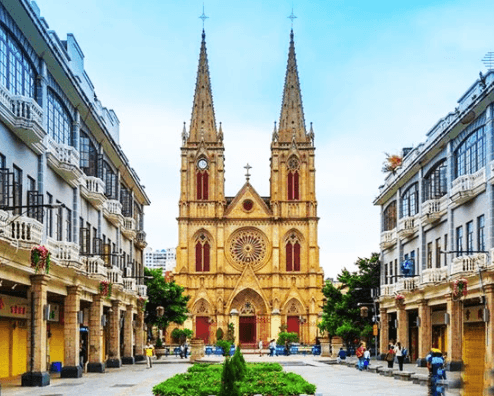
Guangzhou, the capital city of Guangdong Province, is a vibrant metropolis known for its rich history, cultural heritage, and booming economy. As one of the largest cities in China, it serves as a significant hub for trade and commerce. The city boasts an impressive skyline marked by modern skyscrapers, while also preserving historical artifacts and architecture that reflect its extensive past. Visitors can explore iconic attractions such as the Canton Tower and the Chen Clan Ancestral Hall, which showcase the unique blend of the traditional and contemporary elements that define Guangzhou. The city’s culinary scene is world-renowned, particularly for its Cantonese cuisine, making it a paradise for food enthusiasts. With bustling markets and dining establishments that offer a variety of dishes, from dim sum to roasted meats, there is no shortage of gastronomic adventures to embark on in Guangzhou.
For those looking to experience this dynamic city, travel options are plentiful, including international flights. Notably, Cathay Pacific provides flight services from Johannesburg To Guangzhou, making it convenient for investors, tourists, and expatriates to reach Guangzhou. The city’s strategic location along the Pearl River Delta further enhances its accessibility, connecting it to other major cities within China and abroad. Guangzhou’s modern transportation infrastructure, including an extensive metro system and high-speed rail connections, facilitates easy movement within and outside the city. The fusion of culture, history, and innovation makes Guangzhou not only a vital economic center but also an inviting destination for anyone looking to explore China’s rich tapestry. Whether you are drawn by the allure of its food, the excitement of its bustling markets, or the tranquility of its parks and gardens, Guangzhou promises a unique and unforgettable experience for every visitor.
The Guangzhou Opera House, an architectural masterpiece nestled along the banks of the Pearl River, stands as a testament to modern cultural expression in China. Designed by the acclaimed Iraqi-British architect Zaha Hadid, this stunning venue showcases a futuristic design that seamlessly blends with its surrounding environment. The unique organic shapes and flowing lines of the building evoke the fluidity of water, symbolizing Guangzhou’s rich maritime heritage. As one of the largest and most significant opera houses in China, it embodies both innovative artistry and contemporary functionality.
Stepping inside the Guangzhou Opera House, visitors are greeted by a breathtaking interior that features both the Grand Theatre and the smaller Laboratory Theatre. The Grand Theatre boasts a seating capacity of over 1,800 and is equipped with state-of-the-art acoustics, ensuring an immersive auditory experience for every performance. The interior spaces are adorned with elegant finishes and visually striking geometries, creating an atmosphere that stimulates both the mind and the senses. This architectural wonder not only serves as a venue for opera but also hosts a variety of performances, including ballet, theater, and concerts, making it a cultural hub for artistic expression in the region.
The opera house has become a symbol of Guangzhou’s vibrant cultural scene, drawing artists and performers from around the world. Its dedication to fostering creativity and the arts is evident in its programs and outreach initiatives, which engage local communities and aspiring artists. The venue often showcases cutting-edge performances and innovative productions, bridging traditional Chinese art forms with contemporary styles. This commitment to inclusivity and artistic exploration reinforces the opera house’s reputation as a beacon of cultural dynamism.
Beyond its architectural grandeur and artistic offerings, the Guangzhou Opera House is situated in a picturesque riverside location that enhances the overall experience of attending performances. The surrounding landscape, with its beautifully landscaped gardens and striking cityscape, invites locals and tourists alike to explore the vibrant cultural offerings of Guangzhou. Whether you are a lover of the performing arts or a casual visitor, the Guangzhou Opera House promises an unforgettable journey into the realm of creativity, beauty, and cultural exchange.
Sun Yat-sen Memorial Hall is a historic landmark located in Taipei, Taiwan dedicated to the founding father of the Republic of China, Dr. Sun Yat-sen. The hall was completed in 1972 and serves as a place of remembrance and education about Dr. Sun’s contributions to the country’s history. The architecture of the hall is a stunning blend of traditional Chinese and modern Western design, with intricate details and a majestic presence that attracts visitors from around the world.
One of the main highlights of the Sun Yat-sen Memorial Hall is the bronze statue of Dr. Sun Yat-sen that stands proudly in the main hall. The statue is a symbol of his leadership and dedication to reforming China into a modern nation. Visitors can pay their respects to Dr. Sun by bowing to the statue and reflecting on his vision for a better future for the Chinese people.
The hall also houses a museum that showcases Dr. Sun’s life and achievements through interactive exhibits, artifacts, and historical documents. Visitors can learn about his role in overthrowing the Qing Dynasty and establishing the Republic of China, as well as his efforts to promote democracy, nationalism, and socialism in the country. The museum provides a comprehensive overview of Dr. Sun’s political career and his impact on Chinese history.
In addition to its historical significance, the Sun Yat-sen Memorial Hall is a vibrant cultural hub that hosts various events, performances, and exhibitions throughout the year. Visitors can enjoy traditional Chinese music and dance performances, martial arts demonstrations, and art exhibitions that celebrate Taiwan’s rich cultural heritage. The hall also features a spacious plaza and lush gardens where visitors can relax and enjoy the peaceful surroundings. Overall, the Sun Yat-sen Memorial Hall is a must-visit destination for anyone interested in learning about the life and legacy of one of China’s most influential leaders.
See also: How Students Studying Abroad in Croatia Can Manage Their Academic Workload
The Pearl River, also known as Zhujiang, is one of China’s most vital waterways, flowing through the lush landscapes of southern China. Originating in the mountains of Yunnan Province, this majestic river weaves its way through several provinces before emptying into the South China Sea. Spanning over 2,400 kilometers, the Pearl River is not only significant for its sheer length but also for the vast network of rivers and tributaries that comprise its basin, which includes the Dongjiang, Xijiang, and Beijiang rivers. These waterways are essential for agriculture, transportation, and industry, playing a pivotal role in the economic development of the region.
As the lifeblood of the Pearl River Delta, one of the most densely populated and economically significant regions in the world, the river supports millions of residents and businesses. Major cities like Guangzhou, Shenzhen, and Dongguan thrive along its banks, making it a hub of trade and innovation. The economic vitality of the delta demonstrates how the Pearl River has transformed from a simple waterway into a dynamic artery of commerce. Modern infrastructure, such as bridges and ports, intertwines with historical sites, showcasing a unique blend of tradition and progress that offers visitors glimpses into both ancient and contemporary China.
The natural beauty of the Pearl River is equally captivating. As it flows through diverse landscapes—from mountainous terrains to vibrant urban areas—it showcases breathtaking scenery that attracts nature lovers, photographers, and tourists alike. The river is particularly enchanting during the evening when the city lights reflect off its waters, creating a mesmerizing spectacle. Along its banks, lush vegetation and wetlands support rich biodiversity, providing habitats for numerous species and presenting opportunities for ecotourism.
Beyond its economic and aesthetic significance, the Pearl River carries cultural importance for the people of southern China. It has inspired countless works of art and literature throughout history, embodying the spirit and resilience of the region. Festivals celebrating its beauty and bounty bring communities together, fostering a sense of identity and pride among local residents. Thus, the Pearl River stands as a symbol of prosperity, heritage, and natural beauty—a true treasure of China.